Funding guides
Asset Finance for SMEs: the main options explained
Sam Skinner
Secure Business Finance
• 6 min read
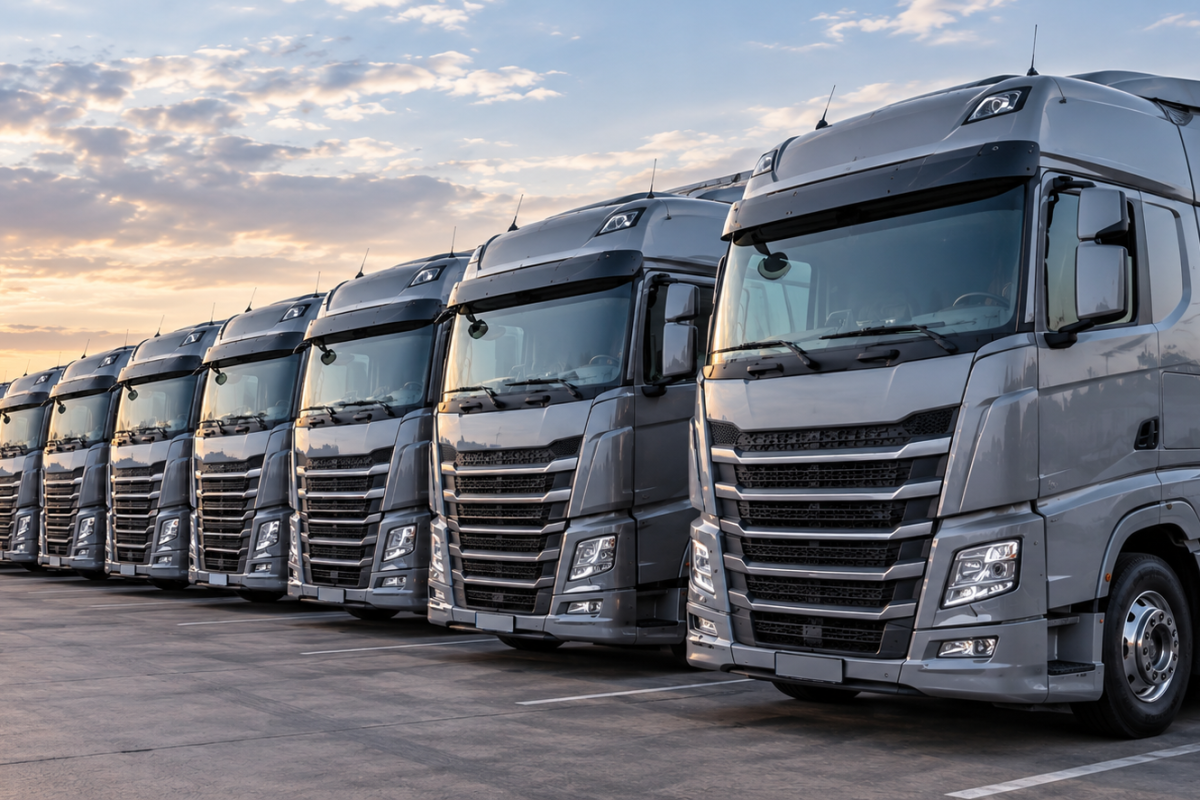
Asset finance lets a business get the equipment it needs now and pay for it in fixed monthly instalments, with the asset itself as the main security. A new van, a CNC machine, a fleet of laptops or a solar array can be on site within days, while cash stays in the bank for payroll, stock and suppliers.
The term covers several different agreements, and they behave differently on ownership, tax and what happens at the end. This guide sets out the main options so you can see which one fits before you speak to a lender.
The five main options
1. Hire purchase (HP)
You pay a deposit, then fixed monthly instalments over the term. Once the final payment and a small option-to-purchase fee are made, you own the asset outright.
- Best for: equipment you plan to keep for most of its working life, such as plant, machinery and commercial vehicles.
- Watch for: the asset sits on your balance sheet from day one, and a deposit is normally required.
2. Finance lease
The lender buys and owns the asset; you rent it for most of its useful life and pay close to its full cost through the rentals. At the end you can usually keep using it for a small secondary rental, or sell it on the lender's behalf and receive most of the sale proceeds.
- Best for: businesses that want use of the asset without a large deposit, and that pay VAT monthly on the rentals rather than upfront.
- Watch for: you never take legal ownership, and you carry the maintenance and the risk of what the asset is worth at the end.
3. Operating lease
You rent the asset for a fixed period that is shorter than its working life. The lender takes the risk on its resale value, so rentals are lower. At the end you hand it back, extend, or upgrade.
- Best for: assets that date quickly or that you would replace on a cycle anyway, such as IT hardware, medical equipment and some vehicles.
- Watch for: return conditions. Excess wear, missing parts or overrun hours can bring charges at the end.
4. Contract hire
An operating lease built for vehicles. A fixed monthly rental covers use of the vehicle for an agreed term and mileage, and maintenance can be bundled in.
- Best for: fleets where you want a predictable cost per vehicle and no resale risk.
- Watch for: excess mileage charges and damage assessment on return.
5. Asset refinance
If you already own equipment outright, a lender can release cash against it. This is often structured as a sale and HP-back or sale and leaseback: the lender buys the asset, you keep using it, and you repay over a new term.
- Best for: raising working capital, funding a project or consolidating debt, using assets you already have.
- Watch for: lenders advance a percentage of an independent valuation, not the original purchase price. Older or specialist kit may support less than you expect.
Side by side
| Option | Who owns it during the term | At the end | Deposit | Resale risk sits with |
|---|---|---|---|---|
| Hire purchase | Lender, transferring to you | You own it | Usually | You |
| Finance lease | Lender | Keep renting, or sell and share proceeds | Typically rentals in advance | You |
| Operating lease | Lender | Hand back, extend or upgrade | Typically rentals in advance | Lender |
| Contract hire | Lender | Hand back | Typically rentals in advance | Lender |
| Asset refinance | Lender, against assets you owned | You own it again (HP-back) or keep renting (leaseback) | None; cash comes to you | Depends on structure |
Through SBF's panel, asset finance runs from £5k to £10m, over 1 to 7 years, and typically takes 3 to 5 days to set up. All finance is subject to status and lender criteria.
How the tax treatment differs
The structure you choose changes who claims tax relief on the asset. At a top line:
- Hire purchase: you are treated as the owner for tax, so you can usually claim capital allowances from day one. The Annual Investment Allowance gives 100% relief on up to £1m of qualifying plant and machinery a year, and limited companies can claim full expensing on new kit with no cap. Interest is deductible as a business cost. VAT is normally paid upfront and reclaimed if you are VAT registered.
- Leases and contract hire: the lender owns the asset and claims the allowances. Your rentals are generally deductible against profit, and VAT is charged on each rental rather than in one lump.
The main writing-down allowance fell from 18% to 14% from April 2026, and a new 40% first-year allowance has applied to qualifying main rate assets since 1 January 2026. Cars and second-hand assets are treated differently. Check the position for your business with your accountant before you sign.
What lenders look at
Because the asset is the security, lenders weigh the equipment as heavily as the business. Expect questions on:
- The asset: what it is, whether it is new or used, who is supplying it, and how easily it could be resold. A tractor unit or excavator holds value well; bespoke tooling or software licences hold very little.
- Trading history and accounts: usually the last two years' filed accounts plus recent management figures. Newer businesses can still be funded, often with a larger deposit or a director's guarantee.
- Affordability: whether the monthly payment sits comfortably within current cash flow, typically checked against recent bank statements.
- Existing borrowing: other finance agreements and any debentures already registered at Companies House.
Not every application is approved. Lenders on the same panel can reach different answers on the same deal, which is why the choice of lender matters as much as the choice of product.
Before you sign
- Match the term to the asset's working life. Paying for a van over seven years when you replace it after four leaves you funding an asset you no longer use.
- Compare total cost, not the monthly figure. A lower payment over a longer term can cost more overall. Ask for the total amount repayable and any fees.
- Read the end-of-term terms. Balloon payments, secondary rentals, return conditions and mileage limits are where costs appear late.
- Check early settlement. Find out what it costs to clear or upgrade the agreement part-way through.
- Know what security is being asked for. Most asset finance is secured against the equipment, but some lenders also ask for a personal guarantee. That should be stated clearly before you commit.
How SBF helps
SBF is an independent, whole-of-market broker with access to 90+ lenders, including asset finance specialists by sector. We compare HP, lease and refinance structures side by side, so you see the lender, the structure and the total cost for each option, usually within 24 hours.
It starts with a 15-minute call about the asset, your business and your timescale. There are no upfront fees, and an initial enquiry does not trigger a credit search.
Check eligibility: call 0330 0438 011 (Mon–Fri, 8:30am–6pm) or email [email protected].
Secure Business Finance Ltd is a credit broker, not a lender. We may receive commission for introductions. All finance is subject to status and lender criteria. Tax information is general and not tax advice.
Share this article